Guide
How SAMPEEL sizing works, and the drawstring arithmetic
Three numbers from a tape measure, one table per department, and the reason a drawstring changes which size you buy.
A size letter is a label on a box, not a measurement. No agency in the United States defines a medium, no law checks one, and every company that makes clothes puts its own numbers behind the same five letters. That is the whole reason a size chart exists and the whole reason this page does.
The honest version is short: measure yourself once, read the chart for the item, and let the drawstring do the rest. Everything below is the long version, department by department, with what the letters we send out have taught us.
Measure once, in the right underwear
You need a soft tape, a mirror and ten minutes. Wear what you would wear under the garment, because a padded bra moves a bust measurement by an inch and a half, and that is a full size on most charts.
- Bust. Around the fullest part, tape level all the way round, arms down, breathing normally.
- Natural waist. The narrowest part of the torso, usually an inch above the navel. Bend sideways and the crease that forms is the place.
- Hips. Around the fullest part of the seat, feet together.
- Inseam. From the crotch seam of trousers that fit you to where you want the hem, if you buy pants.
Two habits produce most wrong orders. Measuring over jeans adds an inch at the waist and two at the hip. Pulling the tape tight produces a firm number and a garment that does not close. The tape should lie flat and leave no mark.
Put the four numbers in a note with the date. They change, but slowly. Once a year is enough for almost everyone.
The sizes this range actually comes in
The letters below are the ones the range is built on, and the count beside each is how many pieces we currently list in it. The middle carries the catalogue. The two ends carry less, and if you sit at either end, filter by size before you fall for a style.
| Size | Pieces listed |
|---|---|
| X-Small | 19 |
| Small | 153 |
| Medium | 231 |
| Large | 193 |
| X-Large | 122 |
| XX-Large | 92 |
| 3X-Large | 6 |
That distribution is not an opinion about bodies. It is what the maker produces, and we would rather show the count than let an empty filter be the first thing you learn about it.
Where the depth is, department by department
The same letter behaves differently on a linen set and on a ribbed sweater, and the table below shows where each department has choice.
| Department | XS | S | M | L | XL | XXL | 3XL | Styles |
|---|---|---|---|---|---|---|---|---|
| Sets | 7 | 41 | 73 | 60 | 38 | 21 | 213 | |
| Tops | 6 | 46 | 58 | 49 | 31 | 33 | 2 | 216 |
| Sweaters | 22 | 34 | 31 | 15 | 18 | 3 | 119 | |
| Dresses | 3 | 24 | 38 | 26 | 18 | 6 | 110 | |
| Bottoms | 1 | 9 | 14 | 17 | 15 | 5 | 56 | |
| Outerwear | 1 | 6 | 5 | 1 | 1 | 3 | 16 | |
| Swim | 1 | 2 | 2 | 3 | 1 | 6 |
Read it as availability rather than as fit advice. A department with forty styles in medium gives you forty chances. A department with three gives you three.
Sets, sorted by how many people have rated them
All sets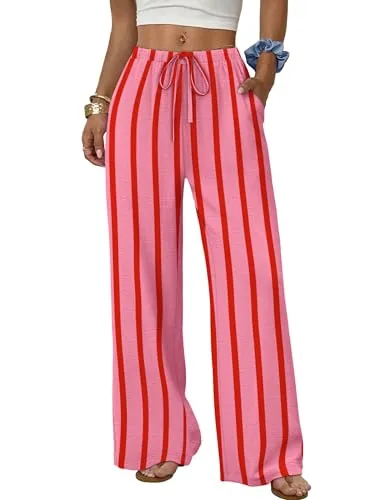

The drawstring arithmetic
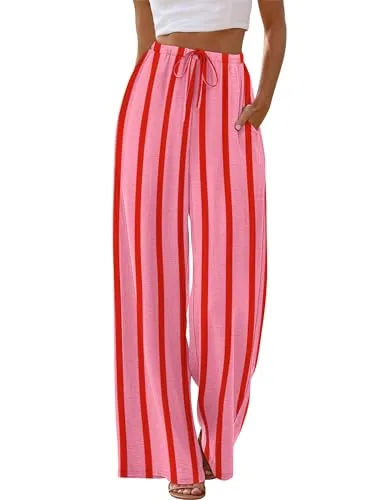
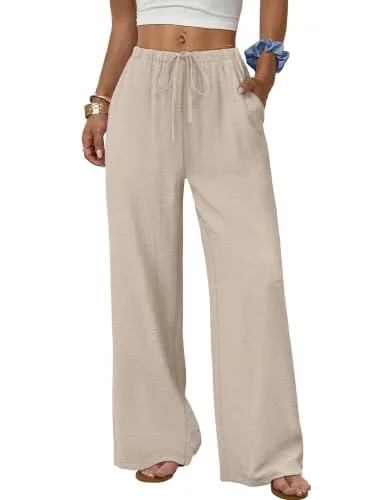
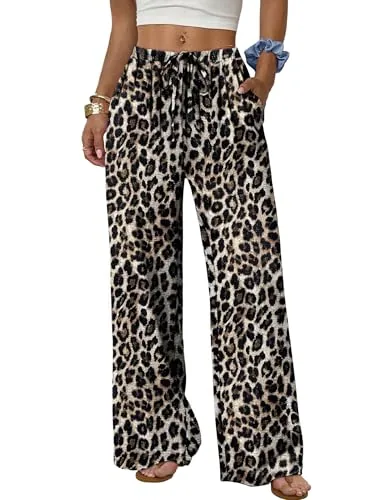
A large part of this range has a drawstring at the waist, and a drawstring changes the sizing question more than any other single feature.
Elastic alone holds one size. It stretches to admit you and then pulls back to its own length, so a pair cut for a twenty-eight inch waist sits comfortably on twenty-eight and grips on thirty-one. A drawstring inside that elastic lets you set the waist anywhere the cord allows, which in practice is two sizes.
So the arithmetic is this. On a drawstring pair, buy the size that fits your hips and let the cord handle the waist. Hips do not adjust. Waists do.
The reverse also holds. If a drawstring pair feels big at the waist, that is the cord's job, not a reason to size down and lose the room at the hip. Sizing down on a drawstring pair produces trousers that fit at the waist and pull across the seat, which is the least comfortable shape trousers can have.
Every pair here that has a drawstring says so on its page under the features line. Where the page is silent, assume elastic alone and size to the waist.
Sizing a set when the two halves disagree
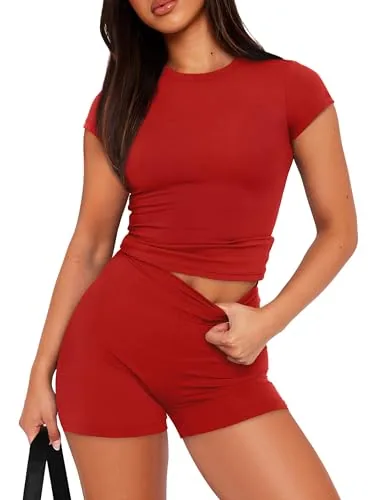
Most people are one size on top and another below, and a set sold as one size is the place that becomes a problem.
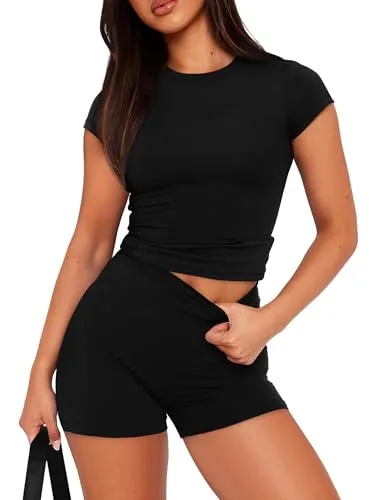
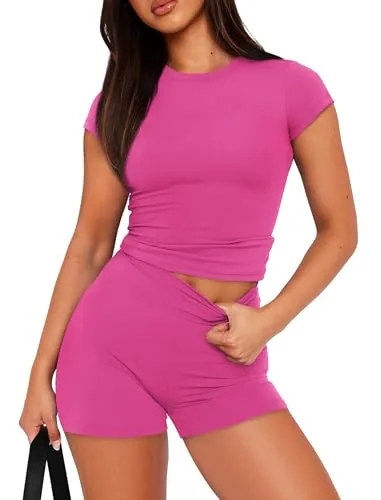
Where a set is sold as two separate sizes, buy each half to its own measurement and the problem disappears. Where it is sold as one, buy the size of the half you mind more about. For a shorts set that is usually the shorts, because a top that is slightly loose reads as a style and shorts that are slightly tight read as a mistake.
There is one exception. If the bottom half has a drawstring, buy to the top, because the drawstring covers the difference below.
Sets in this range are listed with the sizes each one exists in, and the department page filters by size first. Filter first and choose second, because doing it the other way round is how a size runs out in the exact colour you wanted.
Pants and shorts with drawstring waists
All bottoms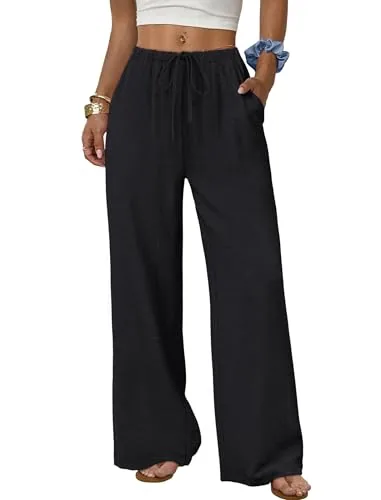
What the fabric line tells you about fit
Every page carries a fabric line that looks like small print. It is a legal disclosure, and it is the single most useful sentence for anyone choosing between two sizes.
The rule that produces it is specific about how the fibres must be named. No shortcuts, no footnotes:
In disclosing required information, words or terms shall not be designated by ditto marks or appear in footnotes referred to by asterisks or other symbols in required information
Federal Trade Commission, 16 CFR Part 303, Textile Fiber Products Identification Act
That is the reason a label says polyester and spandex in full rather than a code, and it is what lets you read stretch off the label. The number to read is the spandex, which also appears as elastane.
Under five per cent a garment holds its shape and forgives little. Buy your measured size. Between five and fifteen it stretches and recovers, which is where most of this range lives, and where sizing down by one is a legitimate choice if you want a closer fit. Above fifteen you are in leggings and swim territory, where the fabric is doing the fitting for you.
| Fabric blend | Pieces listed |
|---|---|
| 60% Polyester, 35% Rayon, 5% Spandex | 55 |
| 88% Polyester, 12% Spandex | 35 |
| 100% Polyester | 31 |
| 95% Cotton, 5% Spandex | 23 |
| 92% Rayon, 8% Spandex | 22 |
| 95% Polyester, 5% Spandex | 20 |
| 90% Polyester, 10% Spandex | 14 |
| 93% Polyester, 7% Spandex | 14 |
The counts come from the pieces in this catalogue that state a blend. Where a piece does not, its page carries no fabric line rather than a guess from a photograph.
Four words that change the size you want
- Oversized. Cut to be big. The shoulder seam sits down the arm on purpose. Buy your usual size or one down, never up.
- Cropped. The hem lands at or above the waistband. Length is the point, so the size letter is about width only.
- High waisted. The band sits above the navel. Measure there, not at the hip bone, or the number will be wrong by two inches.
- Ribbed. A knit with vertical ridges that stretches sideways and shows the body. Fits closer than the same letter in smooth jersey.
Each of those words is a filter on the department pages, because each one changes the size question, and a filter is faster than reading two hundred titles.
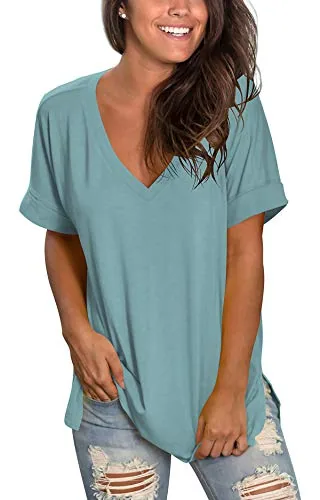
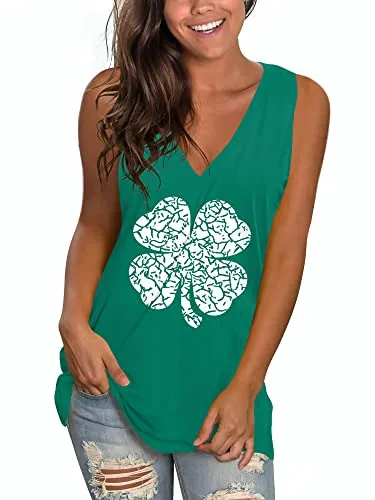
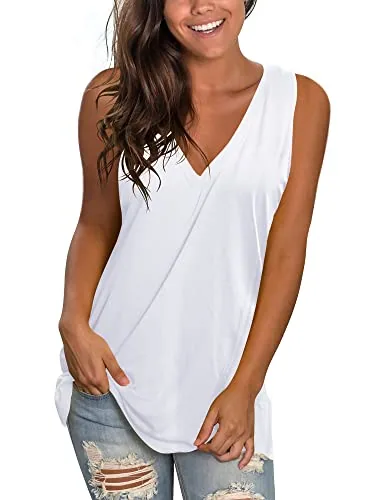
Tops with the cut stated
All tops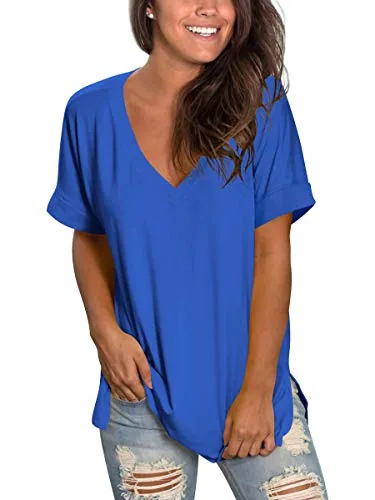
Reading a photograph without being misled
Every photograph here is the maker's own, on a model whose measurements we do not know. That is worth saying plainly, because a photograph is the most persuasive and least reliable thing on any clothing page.
Three things distort it. Height: a mini dress on a tall model reads as a mid thigh dress on a shorter one. The pin: studio garments are routinely clipped at the back so the front hangs clean, and the drape you see is the best case. The crop: many frames show a torso or a pair of legs, which is useful for detail and useless for proportion.
The order that works is your tape, then the chart, then the fabric line, then the photograph. Reversing it is how most returns happen.
Between sizes: the order we decide in
- Drawstring bottoms. To the hip, always.
- Elastic-only bottoms. To the waist, and accept the hip.
- Oversized tops and sweaters. Down, or stay. Never up.
- Fitted ribbed tops. To the bust.
- Dresses. To the largest of the three numbers, because a dress that is tight anywhere is tight everywhere.
- Sets sold as one size. To the half you mind more about, unless the bottom has a drawstring.
One more rule, learned from the letters we get. Believe the tape over the pattern. Buying a medium everywhere because you are usually a medium is how a wardrobe ends up with three things that never get worn.
The questions we actually get
Do these run small?
Some styles do and some do not, and a single sentence covering seven departments would be a lie. The tape and the chart for that item are the reliable route, and where a piece states an inseam, that number is the most honest thing on its page.
Can I buy the top of a set in one size and the bottom in another?
Only where the set is listed by half. Where it is listed as one size for both, the table on its page shows exactly what is sold, and we do not pretend otherwise.
Will sizing up fix a short top?
No. Up adds width, not length. A cropped top is cropped in every size, and the honest fix is a different cut.
What if the chart and the reviews disagree?
Weight the chart for the measurements and the reviews for the behaviour. A chart says what the garment measures. Reviews say what it does after four washes, which the care guide on this site covers in detail.
A short list worth keeping
- Bust, waist, hip and inseam, written down with a date.
- Read the chart for the item, not the letter you usually wear.
- Drawstring: buy to the hip. Elastic only: buy to the waist.
- Spandex under five per cent means buy your measurement. Over ten means you have a choice.
- Oversized never goes up a size. Ribbed fits closer than it reads.
- Filter by size first at either end of the range.
None of this is complicated and all of it takes one evening. After that, ordering clothes online stops being a gamble and becomes arithmetic, which is the better game.
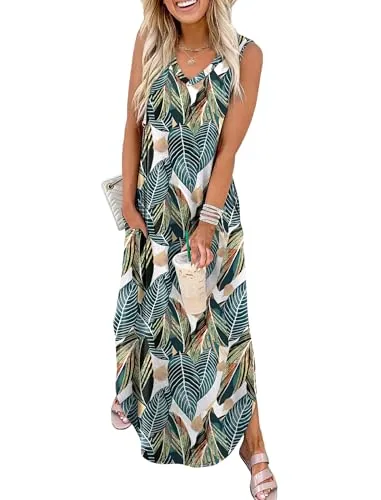
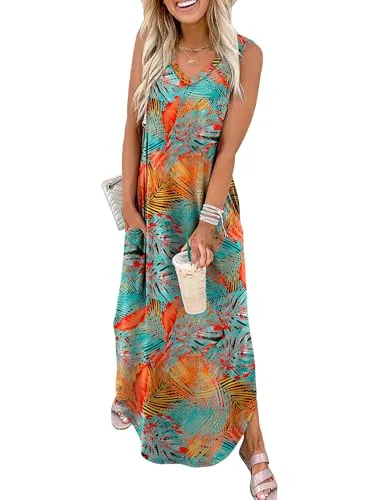
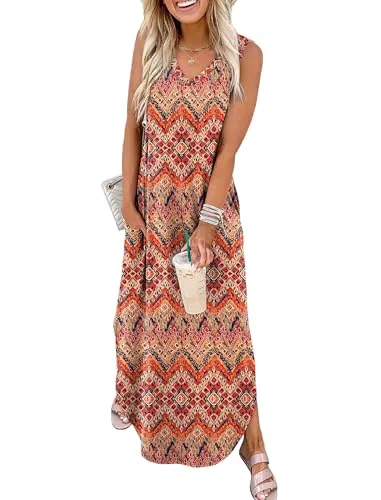
Dresses with the length stated
All dresses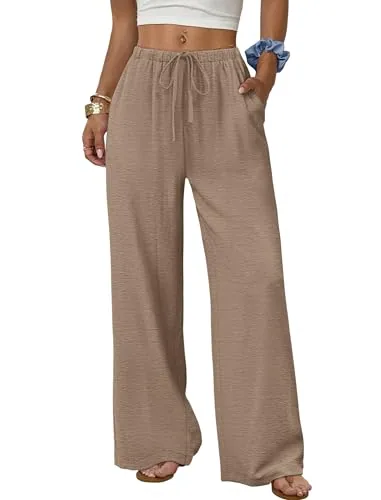
Sources we read
| Source | Published by | Read |
|---|---|---|
| 16 CFR Part 303, Textile Fiber Products Identification Act | Federal Trade Commission | 4 September 2026 |